
Sorinamu began from a very small moment in my childhood—a moment when music first felt like a world opening.
The Moment I First Connected With Classical Music
The first classical piece that left a deep impression on me was Chopin’s Fantaisie-Impromptu, which I happened to hear at a friend’s house when I was young. Until then, my musical world had mostly consisted of children’s songs and cartoon themes, so the complex yet vivid lines flowing from the piano felt like a completely different dimension of sound. Even as a child, that unfamiliar shock stayed with me and sparked a lasting sense of curiosity. After returning home, I begged my mother to send me to a piano academy, and that became the first real turning point in my musical journey.
The path was not straight from the beginning. I did not study an instrument steadily or for a long period, but my interest in music never faded. That curiosity naturally led me to choose composition as my major. Instead of wondering how to play something well, I found myself more drawn to what instruments the composer used and how the harmony moved. Looking back now, that choice suited my nature well, and it turned out to be the right decision.
The Years I Spent as an Educator
During the many years I ran my music academy, I taught not only piano lessons but shared music in a variety of ways. I often listened to classical pieces from different periods with my students and asked them how each piece felt. I frequently used real performance videos to help them understand the appearance and sound of orchestral instruments. I also tried to explain basic music theory by connecting it to visual and experiential elements whenever possible. Watching children come to see music not as a technical skill, but as a language they could interpret themselves, has continually given me a deep sense of purpose and conviction.
The Meaning Behind the Name ‘Sorinamu’
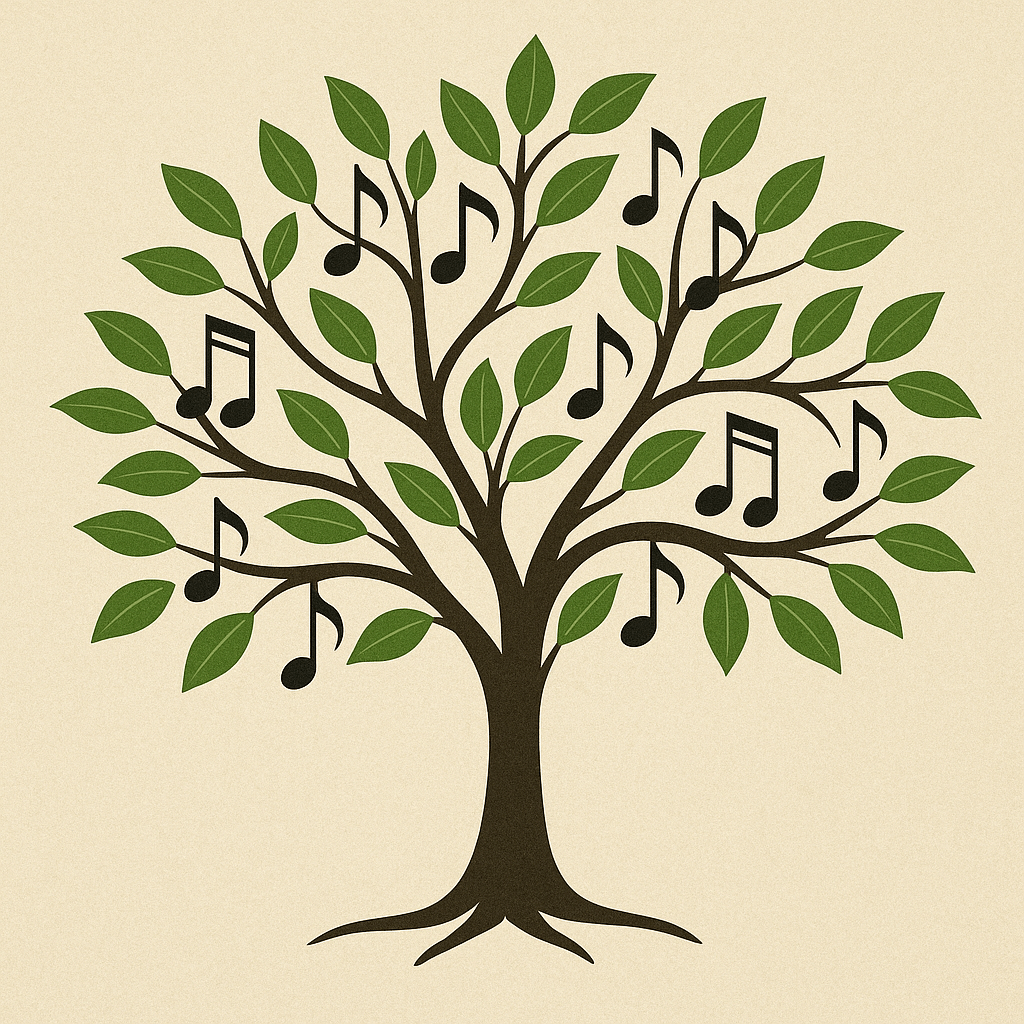
At first, I chose the name Sorinamu simply because the word had a warm, gentle feel to it in Korean. But over time, the name began to take on a real meaning. Seeing a child who once struggled to read even a single line of music later find their favorite piece and play it independently made me realize how powerfully music supports personal growth. Watching sound take root and grow inside a child—branching out into confidence, curiosity, and enjoyment—felt exactly like watching a little “sound-tree” come to life. That was the Sorinamu I had witnessed.
How the Sorinamu Project Is Growing
The Sorinamu project has been gradually expanding its scope based on years of experience. Currently, I am focused on developing Sorinamu Music Playground, a Korean-language project designed not only for children but also for music teachers and parents. Its goal is to provide clear, accurate guidance on instrument structure, appearance, and basic music theory. This content will also be introduced in an English version in the future.
For teens and adults, I run an English classical music blog designed to help listeners understand and appreciate music more deeply. Although each project differs in its audience and format, they share a common purpose: helping people understand music accurately and feel closer to it.
The Path I Hope to Create
As my musical training naturally expanded into education and writing, I began hoping that the Sorinamu project would become a pathway for people to meet music in different ways. Through Music Playground, children, teachers, and parents can build a solid foundation, while teens and adults can explore a broader musical world through the English blog. I hope the branches growing under the name Sorinamu will continue to reach more people, offering meaningful experiences and positive influence along the way.
Further Reading
Chopin New Waltz | A One-Page Discovery from the Morgan Library
Chopin New Waltz | A One-Page Discovery from the Morgan Library