
Image source: Pexels – Pavel Danilyuk
Korean music education often stops at basic exposure in early grades, and this essay looks at what children lose when long-term instrument learning isn’t supported.
When I Saw Music Shape a Child
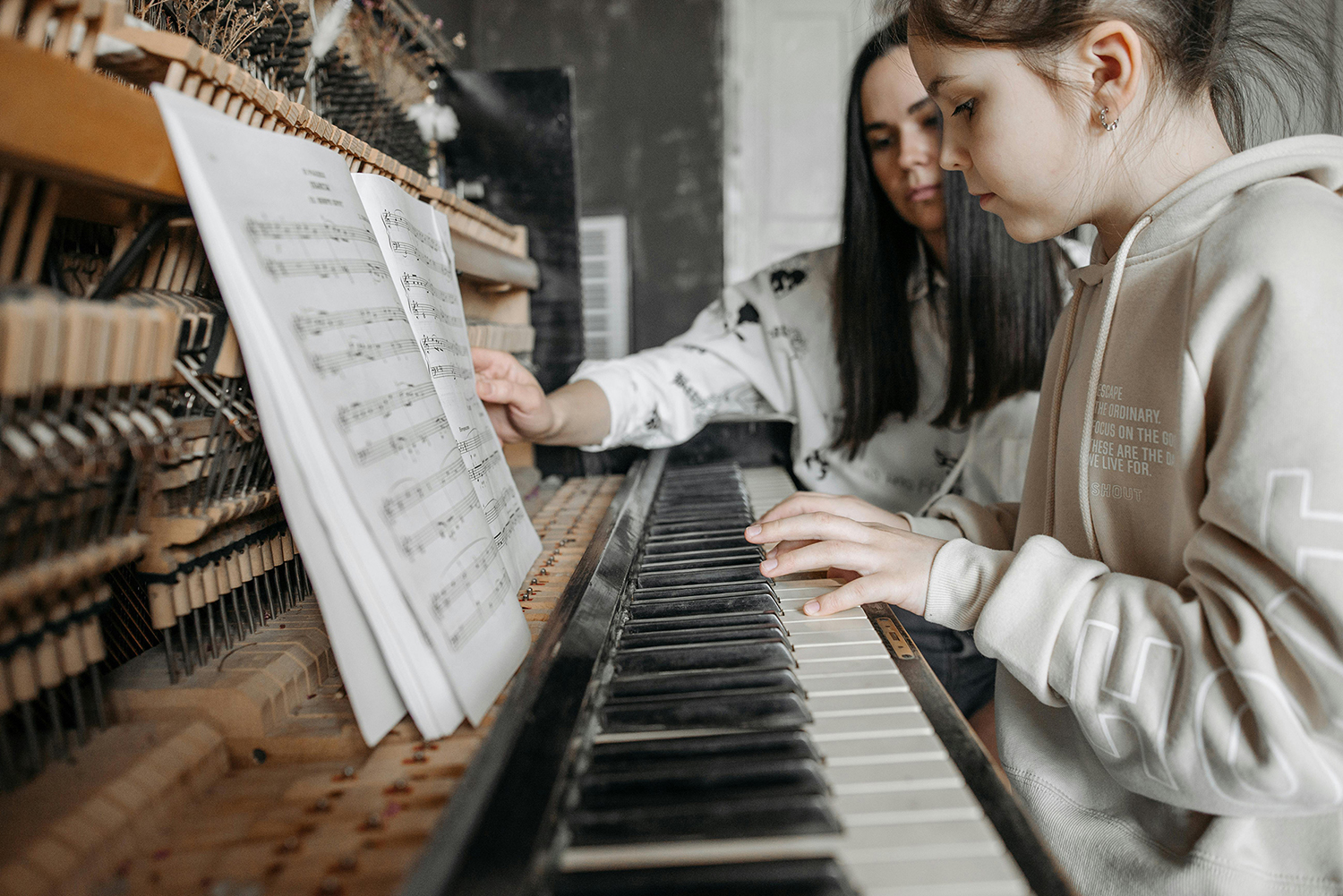
Teaching children for many years has shown me that music is far more than a skill or a school subject. It reaches deeply into a child’s emotions and personal growth. Even when a young beginner presses the piano keys with uncertain fingers, I often see moments of concentration, patience, and quiet pride beginning to take shape. Because of this, I have always hoped that music would not be reserved for a select few, but would become an experience any child could naturally grow into.
Why Korean music education often stops too early
However, music education in Korea has long moved in a different direction. Many parents view music primarily as a subject for grades, especially in early elementary school. Children often attend piano or violin lessons simply to keep up with the school curriculum, rather than to develop a lasting relationship with an instrument.
Since public education offers limited opportunities to explore instruments, private lessons have filled that gap. This system allowed teachers like me to make a living by running academies, but in reality, most children stop learning music by the end of lower elementary school. As they move into middle and high school, music becomes little more than singing tests or written exam questions—far removed from any meaningful musical experience. In many ways, this reflects a larger issue within Korean music education, where instrument learning is often treated as a short-term requirement rather than a long-term experience.
What I learned from Korean music education as a student
I grew up within that same system. I never encountered the idea of staying with one instrument for many years, and music was simply another subject where I needed a score. Like many children, I learned piano for a few years and then quit, later entering a general academic high school to prepare for college entrance exams.
Only much later, after asking myself what I truly wanted to do, did I make the unusual decision to prepare for composition studies and eventually enter a music college. Perhaps because of this winding path, I often wonder how different things might have been—for me and for other children—if we had been given a chance to experience music more consistently from a young age.
What I Discovered as an Adult
As an adult, I was deeply struck when I learned about music education in other countries. In many places, regardless of major or career path, children grow up learning at least one instrument. Schools and community programs offer ensemble and orchestra experiences as part of everyday life. It was more than impressive—it was a kind of admiration that stayed with me.
In contrast, most Korean children never experience the process of creating music together. They may achieve high academic scores, but many struggle with teamwork, emotional expression, and the cooperative skills that ensemble playing naturally develops. I, too, did not realize the importance of these experiences until I became an adult navigating real social situations. This contrast made me realize how limited Korean music education can feel for children who never get the chance to experience music beyond exams or basic school requirements.
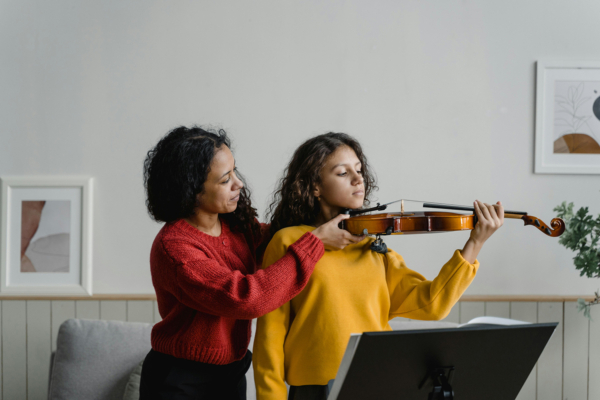
Image source: Pexels – Tima Miroshnichenko
What I Told Parents Again and Again
This is why I often shared the same message with parents at my academy: that their child did not need to play the piano specifically, and that instruments like flute, violin, or cello could be wonderful lifelong companions; that music, regardless of skill level, could be a steady source of support in a child’s life.
But only a small number of parents accepted this idea. As their children grew older, grades became a priority, schedules grew tighter, and instruments were set aside once again. Each time I saw this happen, I felt a quiet, familiar regret—but I also continued to hope.
The Hope I Still Carry
I still hold onto the hope that music in Korea can become more than a graded subject—that it can grow into an experience that enriches a person’s life as a whole. I hope that children will discover not only how to play notes, but how to listen, adjust, and create something together.
If more children could carry even one instrument with them throughout their lives, I believe their emotional world—and the way they navigate life—would become broader and more resilient. I hope to keep contributing, in whatever ways I can, to a culture where such experiences can finally take root.
Further Reading
Why I Started a Classical Music Blog Called Sorinamu